










Related Searches
5
Results for video camera light
Discover the ultimate upgrade for your video content with our top-tier video camera light. Whether you're a professional filmmaker, a passionate YouTuber, or a social media influencer, our video camera light is designed to enhance your footage, bringing out vibrant colors and crisp details that leave a lasting impression. Our video camera light is not just a tool; it’s your ally in creating stunning visual content.
Invest in a video camera light that provides unparalleled brightness and even illumination, ensuring your scenes are never washed out or underexposed. Our lights are engineered to fit seamlessly with a wide range of cameras, offering compatibility that guarantees a smooth and hassle-free experience. Whether you’re shooting indoors or outdoors, our video camera light is built to handle any environment, providing consistent quality light that meets your professional standards.
Don’t settle for mediocre lighting when you can have professional-grade illumination. Our video camera light features advanced technology that allows for easy adjustments, ensuring that your footage looks its best under any condition. Whether you're setting up for a live stream, capturing interviews, or filming product reviews, our video camera light is versatile and reliable, delivering the perfect amount of light for every scenario.
Moreover, our video camera light is designed with your comfort and convenience in mind. Its ergonomic handle and lightweight design make it easy to maneuver and adjust, allowing you to position the light exactly where you need it. The robust construction ensures that our video camera light can withstand the rigors of daily use, making it a long-lasting investment for your video production needs.
Our video camera light comes with a user-friendly interface, allowing you to quickly set up and customize the light according to your preferences. Whether you’re shooting in a dark room or on a bright sunny day, our video camera light adapts to your environment, ensuring that your footage is always captured at its best.
Don’t compromise on the quality of your video content. Upgrade to our video camera light today and experience the difference in your footage. From the vibrant colors to the clear detail, our video camera light transforms your videos, making them stand out from the crowd. Invest in the future of your video production and see the results for yourself. Your audience will thank you for it!
Ultra-Bright Led Video Camera Light - Perfect For Vlogging & Photography - Adjustable Brightness & Color Temperature!
In today’s digital age, capturing moments on video is more popular than ever. From weddings to weddings to travel vlogs, the quality of your videos depends heavily on the lighting. A video camera light is an essential tool that can transform your footage from dull to dazzling. Whether you’re a professional videographer or an aspiring content creator, understanding the nuances of video camera lights is crucial. Let’s delve into the world of video camera lights and uncover the features that set them apart.
What is a Video Camera Light?
A video camera light is a specialized lighting equipment designed to enhance the visual quality of videos. These lights come in various forms and sizes, catering to different needs and budgets. From LED panels to ring lights, there’s a video camera light to suit every occasion.
Types of Video Camera Lights
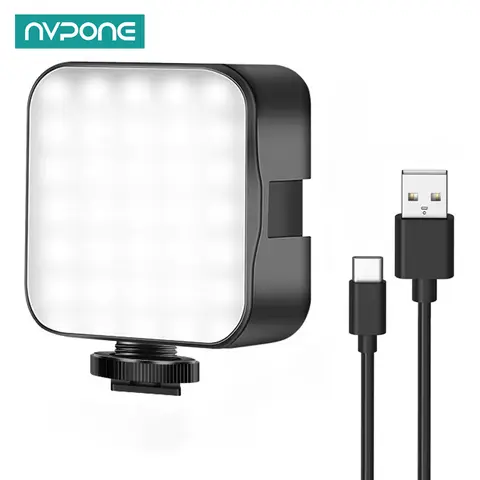
1. LED Panels: LED panels are versatile and come in different sizes and intensities. They are lightweight and easy to transport, making them ideal for on-the-go videographers. LED panels are energy-efficient, providing consistent light with minimal heat.
2. Ring Lights: Ring lights are circular lights that wrap around the camera lens. They are perfect for close-up shots and vlogging, offering even and soft lighting. Ring lights are popular among beauty influencers and product photographers due to their flattering light quality.
3. Softboxes: Softboxes are external light modifiers that diffuse the light to create a softer, more natural look. They are great for creating a cinematic feel in your videos, perfect for filmmakers and videographers looking for professional results.
4. LED Strips: LED strips are flexible and can be mounted in various ways, such as on a backdrop or around a camera. They are ideal for creating dramatic effects and adding depth to your videos. LED strips are also cost-effective and easy to set up.
Key Features to Consider
When choosing a video camera light, there are several key features to consider:
1. Brightness: The brightness of the light is measured in lumens. Higher lumens mean more light, which is crucial for capturing clear, well-lit videos. Look for lights with a high lumens rating for better visibility.
2. Color Temperature: The color temperature of a video camera light is measured in Kelvin (K). Most lights range from 3000K to 6500K. 3000K gives a warm, cozy feel, while 6500K provides a cooler, more natural look. Choose the color temperature that best suits your content.
3. Portability: For those who frequently travel or shoot on the go, portability is a crucial factor. Lightweight and compact lights are ideal for on-the-spot shooting, ensuring you can capture those spontaneous moments without worrying about equipment.
4. Battery Life: If you’re working in locations without a power source, a long battery life is essential. Look for lights that come with rechargeable batteries or have an extendable power source to ensure you don’t miss a shot.
5. Dimmers: A dimmer feature allows you to adjust the brightness of the light. This is particularly useful for creating mood and atmosphere in your videos. Some lights also come with RGB capabilities, allowing you to change the color of the light, adding a creative touch to your footage.
6. Durability: High-quality video camera lights are built to last. Look for materials that can withstand the rigors of regular use, such as metal or reinforced plastic. Durability ensures you get more value for your money.
Why Invest in a Video Camera Light?
Investing in a video camera light can significantly improve the quality of your videos. Here are some reasons why:
1. Enhanced Visuals: A well-lit video is more engaging and visually appealing. Good lighting ensures that every detail in your footage is clear and visible, making your content more enjoyable to watch.
2. Consistency: Consistency is key in video production. Using a reliable video camera light ensures that your lighting remains consistent throughout the shoot, leading to a professional look and feel.
3. Time-Saving: A high-quality video camera light can save you time and effort. With the right lighting, you don’t have to waste time adjusting settings or waiting for the perfect lighting conditions.
4. Creativity: Video camera lights offer creative possibilities. You can experiment with different lighting setups to create unique and interesting visuals. Whether you’re shooting a dramatic scene or a vibrant, colorful setting, a good light can make all the difference.
How to Choose the Best Video Camera Light for You
Choosing the best video camera light involves considering your specific needs and the type of content you create. Here are some steps to help you make the right choice:
1. Define Your Needs: Start by defining what you need the video camera light to do. Are you shooting in a studio or on location? Do you need a light for close-up shots or wide scenes? Understanding your needs will help narrow down your options.
2. Research and Compare: Look for reviews and comparisons of different video camera lights. Check out videos and images to see how the lights perform in real-world scenarios. This will give you a better understanding of their strengths and weaknesses.
3. Budget: Determine your budget and look for video camera lights that fit within it. Remember that the best light doesn’t always have to be the most expensive. Often, mid-range lights offer excellent performance at a more affordable price.
4. Test Before Buying: If possible, test the video camera lights before purchasing. Ask if you can try out the lights in person or rent them for a short period to see how they perform. This will give you a better idea of which light is right for you.
Tips for Using Video Camera Lights Effectively
Using video camera lights effectively can take your videos to the next level. Here are some tips to help you get the most out of your light:
1. Positioning: The positioning of your light is crucial. Place the light at a 45-degree angle from the subject to create soft shadows and highlight the features of your subject. Avoid placing the light directly behind or in front of the camera, as this can create harsh shadows.
2. Backlighting: Backlighting is a powerful technique that can add depth and contrast to your videos. Place a light behind your subject to separate them from the background and create a dramatic effect.
3. Key Light and Fill Light: Use a key light for the main illumination and a fill light to fill in shadows. This combination creates a balanced and natural-looking image.
4. Reflectors: Use reflectors to bounce light onto your subject. Reflectors can help fill in shadows and provide more even lighting. They are particularly useful in low-light conditions.
5. Lighting Gels: Use lighting gels to change the color of your light. Gels can help match the lighting in your scene or create a specific mood.
6. Experiment with Color Temperature: Play with the color temperature of your lights to match the environment or to create a particular mood. Experimenting with different color temperatures can add a creative touch to your videos.
Frequently Asked Questions (FAQs)
Q: Can a video camera light be used for both indoor and outdoor shoots?
A: Yes, many video camera lights are designed to be versatile and can be used both indoors and outdoors. However, it’s important to consider the type of light and its portability. LED panels and LED strips are often more versatile for outdoor use due to their lightweight and compact nature.
Q: What is the difference between a ring light and an LED panel?
A: Ring lights are circular and wrap around the camera lens, ideal for close-up shots and vlogging. LED panels are rectangular and come in different sizes, providing more flexibility for various shooting scenarios. LED panels are better for wide scenes and studio shots.
Q: How do I choose between a battery-powered and plug-in video camera light?
A: Battery-powered lights are ideal for on-location shooting where there’s no power source. Plug-in lights offer more consistent power and are better for studio setups. Consider your shooting environment and your workflow to make the best choice.
Q: Can I use multiple video camera lights together?
A: Yes, using multiple video camera lights together can create a more complex and dramatic lighting setup. Experiment with different combinations to achieve the desired look. Just make sure the lights are compatible and have sufficient power sources.
Q: What is the difference between a high-CTO and low-CTO light?
A: CTO stands for Color Temperature Orange. High-CTO lights have a higher color temperature, creating a warmer, more orange tone. Low-CTO lights have a lower color temperature, resulting in a cooler, more blue tone. Choose based on the mood you want to create.
Conclusion
Choosing the right video camera light can transform your videos from ordinary to extraordinary. Whether you’re a seasoned professional or a beginner, investing in a high-quality light is a worthwhile investment. By considering the types of lights available, their key features, and how they fit your needs, you can make an informed decision. Remember, the right light can make all the difference in the quality and impact of your videos. So, take the time to find the perfect video camera light that suits your creative vision and start capturing stunning footage today.
Final Thoughts
Whether you’re shooting a wedding, a corporate event, or a personal project, a video camera light is an indispensable tool. It can enhance the clarity, mood, and overall quality of your videos. With so many options available, there’s a video camera light that can meet your every need. So, don’t hesitate to explore the world of video camera lights and unlock the full potential of your creative projects.
See more details about video camera light in AliExpress Video Page.

 浙公网安备 33010802002248号