









![240W [3ft/ 6ft/ 10ft] 4 in 1 Fast Charging USB cable Type C For Iphone Samsung Huawei Xiaomi Multi Port Multiple Charging Wire](http://ae-pic-a1.aliexpress-media.com/kf/Sfe936d8aa88e4ead80d8344edf1e74a4Q.jpg_480x480q75.jpg)


Related Searches
5
Results for usb charger cable
Discover the ultimate in portable charging with our high-quality USB charger cables. Whether you're on-the-go or in need of a reliable power source, our USB charger cables are designed to meet your every need. These cables are not just another charging solution; they are your personal assistant, ready to charge your smartphone, tablet, or other USB-compatible devices.
Crafted with premium materials, our USB charger cables are built to last. The durable construction ensures that they can withstand the rigors of daily use, and the compact design allows them to fit easily into your bag or pocket. With a variety of lengths and colors available, you can choose the perfect fit for your lifestyle.
In today’s fast-paced world, convenience is key. Our USB charger cables are perfect for anyone who needs quick, reliable charging. The compact and flexible design makes it easy to plug in your device anywhere, from your desk to your car to a charging station. Plus, the lightning-fast charging capabilities ensure that you can quickly get back to what matters most.
Stay connected and charged with our range of USB charger cables. Whether you need a basic cable or one with advanced features, we have the perfect solution for you. Our cables come with a warranty and are backed by excellent customer service, ensuring that you have a seamless experience from purchase to use.
Elevate your charging experience with our USB charger cables. They are not just a product; they are a necessity in today’s digital world. With our range of options, you can find the perfect cable to suit your specific needs. Whether you are a business professional, a tech-savvy student, or a weekend warrior, our USB charger cables will keep your devices powered up and ready to go.
In a world where technology is always evolving, our USB charger cables are designed to keep up. We constantly innovate to bring you the best in charging technology, ensuring that you can stay connected and productive wherever you are. Choose our USB charger cables, and experience the difference quality and reliability make.
Don’t settle for subpar charging solutions. Invest in our USB charger cables today and see the difference for yourself. With our cables, you’ll never have to worry about your devices running out of battery again. Whether you’re at home, at work, or on the go, our USB charger cables are always ready to power your devices.
High-Speed Usb Charger Cable - 2M Long, Fast Charging, Durable Design, Compatible With All Devices - Essential Travel Accessory!
In today's fast-paced world, technology has become an integral part of our lives. Whether it's for work, entertainment, or personal use, our devices rely on a consistent power source to function. Among the myriad of accessories available, a reliable and efficient USB charger cable stands out as a necessity for every tech-savvy individual. A USB charger cable, with its compact design and versatile functionality, ensures that your devices stay charged and ready for use, making your life easier and more convenient.
The Importance of USB Charger Cables
Durability and Reliability
USB charger cables are built to withstand daily wear and tear. Whether you are using them in your car, at home, or during travel, these cables are designed to be durable and reliable. They can handle frequent plugging and unplugging without breaking, ensuring that your devices remain charged no matter where you are.
Versatility and Compatibility
One of the key advantages of USB charger cables is their compatibility with a wide range of devices. Whether it’s a smartphone, tablet, camera, or smartwatch, a good USB charger cable can charge almost any modern device. This versatility makes them a versatile accessory that can be used for multiple purposes, saving you the hassle of carrying multiple chargers.
Efficiency and Speed
Modern USB charger cables are not just about connectivity; they are also about speed. Many cables are designed to support faster charging protocols, such as USB-C and PD (Power Delivery), which can significantly reduce the time it takes to charge your devices. This efficiency is especially important for users who are on the go and need to keep their devices powered up for long periods.
Choosing the Right USB Charger Cable
Materials and Construction
When it comes to choosing the right USB charger cable, materials and construction are crucial. High-quality cables are typically made from durable materials such as TPU (Thermoplastic Polyurethane) and silicone. These materials not only provide a strong, flexible cable but also help in reducing signal interference, ensuring faster and more reliable charging.
Certifications and Standards
Look for cables that are certified and adhere to industry standards. For instance, USB-IF (USB Implementers Forum) certified cables ensure that the cable is reliable and compatible with a wide range of devices. Additionally, check for certifications such as UL (Underwriters Laboratories) and FCC (Federal Communications Commission), which guarantee the safety and performance of the cable.
Key Features of USB Charger Cables
Lightning Fast Charging
Fast charging is one of the most significant features of modern USB charger cables. With the advancement in technology, many cables now support quick charging protocols, which can significantly reduce charging time. For instance, USB-C cables can support up to 100W charging, allowing devices to reach full charge in a matter of minutes.
Cable Length and Flexibility
The length of the cable can vary depending on your needs. Short cables are ideal for in-home use or for charging your device in a backpack, while longer cables are better suited for travel. Additionally, the flexibility of the cable is important. A flexible cable can withstand repeated bending and twisting, ensuring it remains functional for a longer time.
Additional Features
Some USB charger cables come with additional features such as USB-C to USB-C adapters, USB-A to USB-C adapters, or even integrated chargers. These extra features can be incredibly useful, especially if you are traveling or using multiple devices.
Types of USB Charger Cables
Standard USB Charger Cables
Standard USB charger cables are the most basic type, featuring a USB-A port on one end and a USB-A or USB-C port on the other. They are widely compatible with most devices and are ideal for everyday use.
USB-C to USB-C Cables
USB-C to USB-C cables are designed for the latest devices that support USB-C. They offer faster charging speeds and higher data transfer rates, making them ideal for users who need quick and efficient charging.
USB-A to USB-C Cables
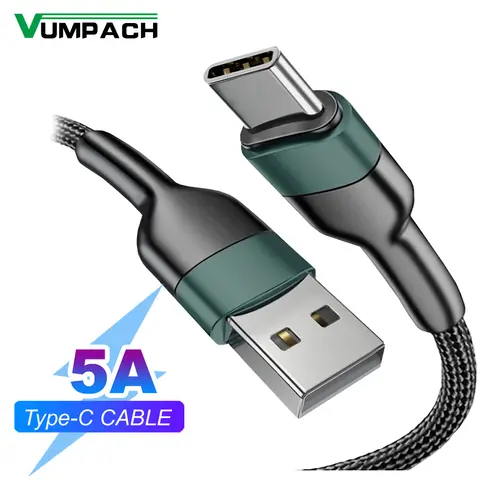
USB-A to USB-C cables are useful when you need to connect a USB-A device to a USB-C port. These cables can support charging and data transfer, making them a versatile choice for users who have devices with different ports.
Conclusion
In conclusion, a reliable USB charger cable is an essential accessory for anyone who relies on technology in their daily life. From their durability and compatibility to their efficiency and speed, USB charger cables offer a wide range of benefits that make them a must-have item. Whether you are a tech enthusiast, a professional, or a frequent traveler, investing in a high-quality USB charger cable can significantly enhance your device’s charging experience. So, the next time you think about upgrading your charging routine, consider investing in a reliable USB charger cable to keep your devices powered up and ready for action.
FAQs
Q: How do I know which USB charger cable is right for me?
A: Look for cables that are certified, have good materials, and offer the features you need. Consider the length, speed, and compatibility of the cable to ensure it meets your specific requirements.
Q: Can I use a USB charger cable for data transfer as well?
A: Yes, many USB charger cables also support data transfer. However, it's important to ensure that the cable you choose supports both charging and data transfer if that’s what you need.
Q: Are longer USB charger cables less reliable?
A: Not necessarily. The key is to choose a cable with good materials and construction. Longer cables can be less flexible, but if they are made with high-quality materials, they can still be reliable.
Q: Can I use a USB charger cable with a non-USB device?
A: While USB charger cables are designed for USB devices, they can sometimes be used with other devices that support the USB protocol. However, compatibility can vary, so it's best to check before purchasing.
Q: How often should I replace my USB charger cable?
A: USB charger cables can last for a long time if well-maintained. However, if you notice any damage, such as fraying or breakage, it's time to replace the cable to avoid potential hazards and ensure continued functionality.
Conclusion
A reliable USB charger cable is more than just an accessory; it’s an essential tool that keeps your devices powered and ready for use. With so many options available, choosing the right USB charger cable can enhance your overall tech experience. Whether you’re a tech enthusiast, a professional, or a frequent traveler, investing in a high-quality USB charger cable is a smart choice.

 浙公网安备 33010802002248号