











Related Searches
5
Results for kamera endoskop
Discover the power of precision with our state-of-the-art kamera endoskop solutions. Whether you are a healthcare professional or a researcher, our high-quality kamera endoskop is designed to meet your needs, ensuring you achieve optimal imaging and diagnostic accuracy. Our advanced kamera endoskop technology provides clear, real-time images that can help you make informed decisions and improve patient care.
At the heart of our kamera endoskop solutions is our commitment to innovation. We are dedicated to developing tools that not only meet but exceed industry standards. Our kamera endoskop is equipped with high-resolution imaging capabilities, allowing you to capture detailed internal structures with remarkable clarity. Whether you are performing routine check-ups or more complex procedures, our kamera endoskop ensures that you have the visual information you need.
Our kamera endoskop is designed with your comfort in mind. The ergonomic design ensures that it is easy to handle and use, even during extended periods of operation. The lightweight yet durable construction makes it ideal for various settings, from hospital rooms to mobile clinics. The kamera endoskop is also equipped with a variety of accessories, including flexible and rigid models, to suit your specific requirements.
One of the key advantages of our kamera endoskop is its user-friendly interface. The intuitive controls and menu navigation make it easy for users of all skill levels to operate the device efficiently. The device is also compatible with a range of software platforms, allowing you to integrate it seamlessly into your existing workflow. The compatibility of our kamera endoskop with popular medical imaging software ensures that you can easily review, store, and share your findings.
Another significant benefit of our kamera endoskop is its versatility. It can be used in a wide range of medical procedures, including gastroenterology, urology, and bronchoscopy. The flexibility of the device means that you can adapt it to meet the specific needs of your practice. Our kamera endoskop is designed to help you achieve the best possible outcomes, whether you are looking for a quick and efficient diagnosis or a detailed examination.
We understand that reliability is crucial in medical settings. That's why our kamera endoskop is built to last. The robust design ensures that the device can withstand the rigors of daily use, minimizing the need for maintenance and downtime. Our commitment to quality is reflected in the durability of our kamera endoskop, which is designed to provide long-term performance and value.
Moreover, our kamera endoskop is backed by a comprehensive support system. Our team of experts is available to provide training, troubleshooting, and ongoing support to ensure that you get the most out of your device. We offer customizable training programs tailored to your specific needs, ensuring that you and your team are fully prepared to use the kamera endoskop effectively.
If you're looking for a reliable, versatile, and user-friendly kamera endoskop solution, look no further. Our commitment to innovation, quality, and customer satisfaction sets us apart in the industry. By choosing our kamera endoskop, you can enhance your diagnostic capabilities and provide your patients with the highest standard of care. Contact us today to learn more about how our kamera endoskop can help you achieve your goals.
Join the thousands of healthcare professionals and researchers who have already trusted our kamera endoskop to improve their workflows and patient outcomes. Experience the difference today with our innovative kamera endoskop solutions.
High-Quality Endoscope Camera For Sale - Top Brands, Huge Savings, Free Shipping On AliExpress!
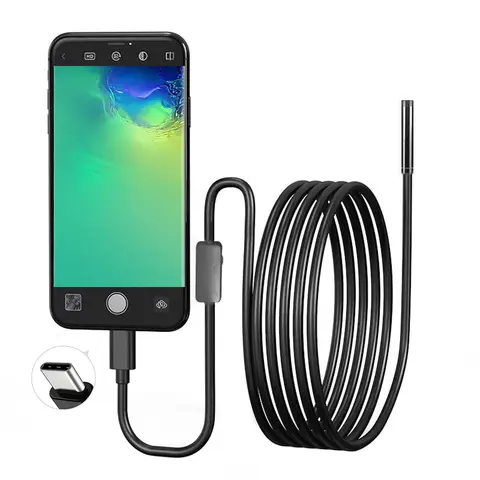
In the ever-evolving world of medical technology, kamera endoskop stands out as a groundbreaking innovation, enabling precise, non-invasive examinations that enhance diagnostic accuracy and patient care. Endoscopy, a minimally invasive procedure, has seen remarkable advancements with the integration of cameras, transforming it into a sophisticated tool for medical professionals. A kamera endoskop is a miniature camera attached to a flexible or rigid tube, designed to provide clear, real-time images of internal body structures. Its applications range from gastrointestinal tract examinations to the exploration of the respiratory and urinary tracts.
The Evolution of Kamera Endoskop Technology
The evolution of kamera endoskop technology is a testament to the relentless pursuit of better medical diagnostics. Early endoscopes were bulky and limited in their ability to capture clear images. However, technological advancements have led to smaller, more efficient, and high-resolution cameras that can be inserted through natural body orifices. This innovation not only enhances the quality of diagnostic images but also significantly reduces patient discomfort and recovery time.
Modern kamera endoskop systems are equipped with features such as high-definition video, lighting, and enhanced magnification capabilities, making them indispensable tools for both routine and complex medical procedures. These advancements have opened new avenues for early detection, accurate diagnosis, and effective treatment planning, ultimately leading to better patient outcomes.
Benefits of Kamera Endoskop in Diagnostic Procedures
One of the primary advantages of kamera endoskop is its ability to provide real-time visual information. This immediate feedback is invaluable for doctors, allowing them to make informed decisions during procedures. The clear, high-definition images captured by kamera endoskop can reveal subtle abnormalities that might be missed by the naked eye, enhancing the accuracy of diagnoses. This is particularly beneficial in detecting and diagnosing conditions such as polyps, inflammation, or cancerous growths in the gastrointestinal tract.
Moreover, the non-invasive nature of kamera endoskop minimizes patient discomfort and reduces the risk of complications associated with traditional surgical procedures. The flexible and rigid designs of kamera endoskop accommodate different body structures, making it possible to examine a wide range of internal organs and tissues. This versatility ensures that medical professionals can adapt the tool to suit the specific needs of each patient, providing personalized care and treatment.
Applications of Kamera Endoskop
Kamera endoskop is widely used in various medical fields, each benefiting from its unique features and capabilities. In gastroenterology, for instance, kamera endoskop is used to examine the digestive system, helping doctors detect and diagnose conditions such as stomach ulcers, colitis, and tumors. Similarly, in pulmonology, kamera endoskop can be used to explore the respiratory tract, identifying issues like bronchitis, asthma, and lung cancer.
The use of kamera endoskop extends beyond gastrointestinal and respiratory systems. In urology, it is used to examine the urinary tract, helping to detect and diagnose kidney stones, bladder infections, and prostate issues. Additionally, in gynecology, kamera endoskop can be used to examine the female reproductive tract, assisting in the diagnosis of issues such as uterine fibroids, endometriosis, and ovarian cysts.
How Kamera Endoskop Improves Patient Outcomes
The implementation of kamera endoskop in medical practices has led to improved patient outcomes in several ways. Firstly, the non-invasive nature of kamera endoskop reduces the risk of complications associated with traditional surgical procedures, such as infection, pain, and extended recovery times. This is particularly beneficial for patients who may have compromised immune systems or those who are in poor health.
Secondly, kamera endoskop enables early detection and diagnosis, which is crucial for treating conditions such as cancer. Early-stage cancers are often easier to treat and have a higher success rate. The clear, detailed images captured by kamera endoskop allow doctors to detect and monitor these conditions accurately, ensuring timely intervention and effective treatment.
Thirdly, the enhanced precision and accuracy provided by kamera endoskop enable doctors to perform minimally invasive biopsies and other interventions, reducing the need for more invasive surgeries. This not only speeds up recovery times but also minimizes the risk of complications, leading to better patient outcomes.
Future Prospects of Kamera Endoskop
As technology continues to advance, the potential of kamera endoskop is vast. Future developments in kamera endoskop technology may include more advanced imaging techniques, such as fluorescence endoscopy and chromoendoscopy, which can help detect and diagnose conditions more effectively. Additionally, the integration of artificial intelligence and machine learning in kamera endoskop systems could enhance the accuracy of diagnoses and provide personalized treatment plans based on individual patient data.
Moreover, the miniaturization of kamera endoskop systems could enable the exploration of even more intricate and previously inaccessible areas of the body. This could lead to new diagnostic and therapeutic applications, further revolutionizing the field of medical diagnostics.
Choosing the Right Kamera Endoskop
When selecting a kamera endoskop, several factors should be considered to ensure that the chosen system meets the specific needs of the medical practice. These include the quality and resolution of the images, the flexibility and maneuverability of the camera, and the durability and ease of use of the equipment.
It is also essential to consider the brand reputation and the level of support and training provided by the manufacturer. A reliable manufacturer with a proven track record of innovation and customer support can make a significant difference in the performance and longevity of the kamera endoskop.
Conclusion
In conclusion, kamera endoskop is a transformative tool that is redefining the landscape of medical diagnostics. Its ability to provide clear, real-time images of internal body structures, combined with its non-invasive nature, has made it an indispensable asset for medical professionals. Whether used in routine examinations or complex procedures, kamera endoskop enhances diagnostic accuracy, improves patient outcomes, and sets new standards in medical care. As technology continues to evolve, the potential of kamera endoskop is immense, and its role in advancing medical diagnostics will undoubtedly continue to grow.
By embracing kamera endoskop technology, medical practices can offer their patients the highest level of care, ensuring that they receive accurate diagnoses and effective treatments.