








Related Searches
5
Results for diecast motorcycles
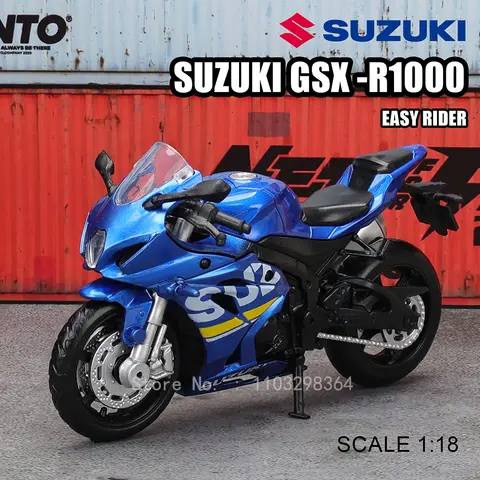
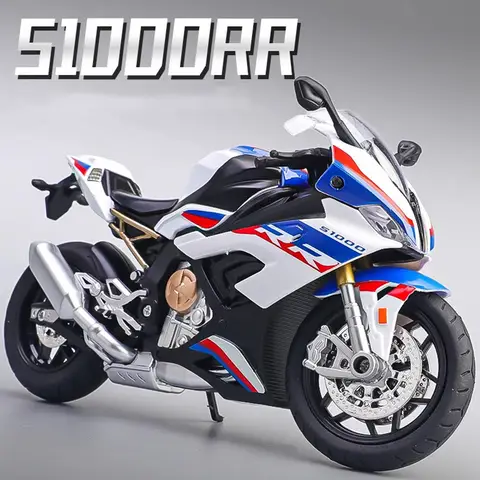
Explore the thrilling world of diecast motorcycles with every level of detail captured in miniature perfection. These intricate models are not just collectibles; they're miniature marvels that bring the roar of the V-twin to your coffee table. Perfect for enthusiasts who yearn for the authentic feel of a classic motorcycle without the maintenance and costs, our diecast motorcycles are crafted with precision, ensuring each part is meticulously designed to mirror the real thing.
Whether you're a die-hard biker, a collector, or someone who appreciates craftsmanship, our diecast motorcycles offer an unparalleled experience. From iconic Harleys to sleek Japanese bikes, we have a range that suits every preference. Our models are not only aesthetically pleasing but also educational. They allow you to study the intricate engineering of motorcycles and their historical significance, from the early days of the first motorcycles to the modern advancements of today.
One of the most compelling aspects of our diecast motorcycles is the joy they bring to children and adults alike. Kids can enjoy imaginative play and storytelling around the miniature motorcycles, sparking their interest in history and engineering. For adults, these models serve as conversation pieces and a reminder of simpler times when motoring was about adventure and passion.
Crafted from high-quality materials, our diecast motorcycles are durable and can withstand the rigors of play and display. The attention to detail is impressive, from the texture of the paint to the fine metal work. Each model is a testament to our commitment to excellence and our passion for motorcycling culture.
If you're looking for a unique gift for a loved one, or if you want to add a piece of automotive art to your own collection, our diecast motorcycles are the perfect choice. They're more than just toys; they're a celebration of motorcycling heritage and a symbol of timeless design. Order yours today and bring a touch of the road to your home or office.
Buy Diecast Motorcycles With More Discounts On AliExpress!
Keep them simple.
Toys that do too much don’t allow a child to use their own imagination. Dolls and stuffed animals that talk or sing or direct kids to press certain buttons essentially take charge of the play situation when the child should be the one directing the action.
Set limits on electronic toys and video games.
We live in an electronic age, and any parent who thinks they can keep their child — even a toddler — away from computers and the like forever is kidding themselves. But for young kids, especially, it’s crucial to set limits. Research has suggested that electronic toys pose several possible dangers for a child’s health and development. The noise from them can be too loud and damage a child’s hearing. They can also overstimulate a child and prevent them from sleeping well at night. And the more time a child spends with electronic devices, the less time they have for the social interaction, physical activity, and creative play that are crucial to development.
Avoid toys that are too big.
When choosing toys for your child, be sure to read the package instructions. You want something that will fit in your child’s hands — literally. A toy that’s too big or too heavy can pose a strangulation or choking hazard. A toddler or preschooler shouldn’t be playing with toys that are meant for older kids. That’s especially true of those little balls and other objects toddlers find fascinating and try to put in their mouths. Make sure they’re too big to fit in their mouths or noses, or go down their throats. If in doubt, don’t buy it.
Keep batteries out of reach.
Batteries can be a dangerous choking hazard for younger toddlers, but older toddlers may try to use real batteries to power a toy instead of the batteries recommended on the package. Keep all batteries out of reach.
Avoid toys that shoot objects into the air.
These can cause serious eye injuries or even blindness.
Look for stuffed toys that are well-made.
Stuffed toys should have strong seams and be filled with sturdy material. Toys with small buttons or ribbons can pose a strangulation hazard. Choose stuffed toys that are machine washable. And avoid toys with small plastic eyes or other parts that could easily fall off. Toddlers love to put things in their mouths, and even if the toy is meant for older kids, your toddler won’t know the difference.
How to Choose Jewelry for Your Child?
Keep jewelry simple.
Kids who wear earrings should always wear studs. Earrings with dangling parts can catch and tear.
Keep necklaces and bracelets simple, too. They should be solid metal or leather, not with rhinestones, sequins, or plastic or metal pendants. Anything that could fall off or come loose poses a serious choking hazard.
Avoid long necklaces or necklaces with long chains. They pose a strangulation risk.
Don’t let toddlers wear rings.
Toddlers love to put things in their mouths. A toddler who puts a ring on her finger and then grabs her finger to pull the ring off can easily pull off her fingernail.
Keep piercings to a minimum.
When you consider the potential for infection, pain, and scarring, it’s best to keep piercings to a minimum. Earrings are the least likely to pose a risk of infection. If your child is determined to wear rings, consider having only one ring on one finger on the non-dominant hand — and make sure it’s a plain metal band. Don’t put jewelry on your toddler’s hands at all, as it can get caught on clothing or other items.
Keep an eye on young kids with necklaces.
If your young child insists on wearing a necklace, make sure it has a strong knot between the pendant and the chain so that the chain won’t unravel if the child pulls on it. It should also be a chain or cord made of solid material, not one with separate links. Avoid necklaces with ribbon parts, as they can be a strangulation hazard. And keep in mind that if your child is in the habit of sleeping with a necklace on, it could get caught around her neck and cause suffocation.
See more details about diecast motorcycles in AliExpress Video Page.

 浙公网安备 33010802002248号